
For over 6,000 years, native North Americans have canoed the countless lakes, rivers, streams and associated portages that interconnect throughout northeastern Ontario. In the local Ojibway language, this is referred to as the Nastawgan and pronounced Na-STAW-gan. Today, paddlers in the Temagami area are still using these documented archaeological campsites along the 2,400 kilometers (1,500 miles) of some of the most diverse and unique landscapes found throughout northeastern Ontario.
Lighter and stronger Kevlar or ABS canoes have replaced the native birch bark canoes that were the preferred means of transporting goods for trade or consumption. Ample opportunities still exist today for viewing and photographing some of nature's many forms of wildlife such as moose, bear, beaver, otter, loons, osprey, blue herons, pilleated woodpeckers and countless other small songbirds including the elusive but very vocal orange crested warbler that can be found in the tops of some of the old growth pine forests.
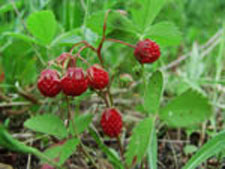
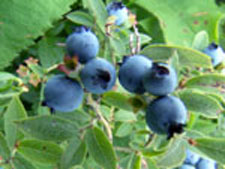
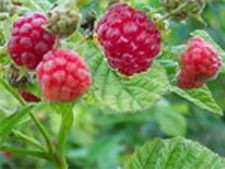
Most lakes and rivers have walleye, smallmouth bass, northern pike or brook trout which will readily come to a properly presented fly, lure, artificial or live bait to supply you with an evening meal that will be second to none when cooked over an open campfire. At varying times of the summer, wild strawberries, blueberries and red raspberries are abundant near campsites and all make excellent evening desserts or add a special taste to tomorrow morning’s pancakes. Small animals such as the chipmunk see so few people each year that they are naturally curious enough to take scraps of food directly from your hand. Later on at night, after the campfire has died out, lay back and gaze at the millions of stars in a sky that is so dark, you won’t even be able to see your own hand directly in front of your face.
The silence will be deadening. Enjoy!
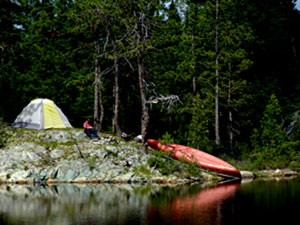
The staff at Northland Paradise Lodge are ready to assist you with your plans for a canoe vacation ranging from an overnight trip on a small lake to larger loops that could last for weeks through Temagami’s back country where you will never have to portage the same trail twice. Different levels of endurance can be suggested that range from flat-water lakes for beginners and/or families wishing to introduce their children to the beauties of nature ... to adrenaline-fuelled trips for more experienced paddlers anxious to shoot down whitewater chutes that have been carved in the hard granite rock by thousands of years of erosion.
Open water usually arrives in early May and lasts through late October. We have 17-foot canoes in both Kevlar and ABS (required for some river trips) and all have shoulder yokes to ease the effort on portages. Paddles and safety equipment such as life jackets, bailers and whistles are included with all rentals. At the present time, we do not offer food barrels, tents or sleeping bags. Both land or air shuttles to and from the starting/finishing points on some trips can be arranged for a minimal cost.
We encourage catch and release of the larger fish of all species to retain limit catches for future generations.
Don't forget the camera!
From time to time, some of our guests are looking to either buy or sell a canoe and related items. When this happens, I try to help them with this by posting a note and picture on this website on the Items For Sale page which can be accessed from the top of this page. If you, or anyone you know, are interested in buying these items, please look here first.
Check-in times for weekly packages are after 2:00 p.m. on Saturdays and check-out times are before 11:00 a.m. on the following Saturdays. For overnight packages, the same times apply for each day. Please inquire about any variations that can be made to these time schedules.
Responsible use of alcoholic beverages is allowed on lodge property. However, we are not a licensed outlet for the sale of these beverages.
Pets are always welcome.
MY FAVORITE LOCAL CANOE ROUTE
UPDATE: Spring, 2025. Perhaps this will help you with the coming summer's plan for canoe trips. Last fall, 2024, moose hunters were in the creek and they reported several new beaver dams, including one big one where Friday Creek flows into Obashkong Lake, or the trail head of this lake system where you put in to go upstream. In the spring, there is a tremendous amount of water that comes through this part of the watershed so I'm hoping the dams will survive the rush and hold enough water this summer for paddlers to navigate. The lakes are still froze solid right now but when they melt, I will take a canoe and investigate with a report to follow after that. Stay tuned.
UPDATE: August 5, 2022. This past week, I sent canoers on this loop, described below, and they didn't get too far. The water level in the big marsh halfway through the Friday Creek part of the loop is down to less than 2" so it is no longer passable for the rest of this season. They did manage to back out, get turned around and then spent a couple days on Blueberry Lake instead. There is an optional longer portage (that's cleared and marked) from the start of Friday Creek that skirts the creek for a distance before turning away and then ends over at Lorrain Lake at the same location as the other portage. These ladies chose not to make that long portage.
This is one of my favorite canoe routes anywhere. For years, I have been sending canoers on a 3 to 7 day (or longer) loop starting and ending right from the lodge. The first bonus of using this loop is that there aren't any shuttle costs for both delivery and return pick-ups of you, your canoes and all the gear (which can easily run into hundreds of dollars) on most of the loops on the west side of Highway 11. Leaving here, you will paddle through Cassels Lake, north through Obashkong Lake, into Friday Creek and portage east to Lorrain Lake then through several smaller lakes into Rabbit Lake and to finish back at the lodge. I regularly brush the portage trail every two or three years from Friday Creek to Lorrain Lake and from the three Bear Lakes (Upper, Middle and Lower) into Rabbit Lake. This task was completed late in 2021 so the trails should be in good shape for this year. Water levels do vary from being higher in the spring to a bit lower later in the summer but there are once again beavers living in Friday Creek and maintaining their dam so overall, water levels are not all that bad throughout the entire summer. This slow moving and wide creek meanders through tall grasses and offers excellent photo opportunities for moose, bear and beaver if you are quiet (as in ...shut up & don't talk at all!) and you don't bang your paddles against the rocks when portaging into the creek or against the canoe gunnels while paddling. Timber wolves, lynx, fisher, otter, pine marten (sable), mink and ermine also call this forest home but are extremely shy critters. Occasionally, people do grab a quick pic of them too. I suggest going in a clockwise loop so that you don't see any other people that could be a few days ahead of or behind you on your vacation. Believe me when I say that there aren't a lot of people using this loop so the many campsites are always readily available. And it's rough, I know, in only having unique fishing opportunities for trophy smallmouth bass, walleye, huge pike and wild speckle trout in various lakes along the way. There are also mapped trails through old growth monster-size pines to explore for free. Now tell me ... do you really want to live like this for a whole week? Yeah, that's what I was thinking too.
Have you ever caught a tagged fish?


Occasionally, fishermen will catch a fish (usually a walleye in Temagami area lakes) that has a stainless steel jaw tag in its bottom lip. The first question that is usually asked is "Am I allowed to keep it?" That depends on the size of the fish; if it is in the slot size, then the answer is unquestionably "NO". However, if it is not a slotted fish, then you can legally keep it. Before you toss it into the live well or onto your stringer, please think of the reasons that this fish has been tagged in the first place. Whether it is a male or female walleye, it was caught in a trap net in a creek or river that is known to be used as a spawning area in the spring of the year. These nets are the property of the MNR and have been placed there by volunteers from the local Temagami and Area Fish Involvement Program (TAFIP) which collects the spawn and raises young walleye to be placed back in a number of different area lakes and to assist Nature in keeping a healthy population of fish for anglers to harvest in future years. This particular fish was stripped of some of its roe or sperm and then both the weights and measurements were recorded before being tagged and then released back into the lake. MNR supplied TAFIP with the tags. The jaw tag has a 6- or 7-digit number on it that identifies this fish and the year that it was tagged. If you do decide to keep it, please return the tag to TAFIP in Temagami so they can update their data on it. It is also requested that you report the length and weight of the fish as well as the date and name of the lake on which it was caught. If you'd like to keep the tag as a souvenir, that's also allowed but please forward on the info described above as well as the tag number.
The other option would be to weigh and measure the fish, record the tag number for TAFIP (705-569-3240) and then release it back into the lake. This will tell TAFIP how much that fish has grown since it was tagged. If it is caught again at a later date (possibly years from now) and the info is recorded again, it would greatly add to the knowledge base on the health and sustainability of the species in that particular lake. At the present time, only walleye in Lake Temagami and the Cassels-Rabbit lake system have been tagged.
The odds of catching a tagged fish are about the same as winning a lottery. There are hundreds, if not thousands, of fish that use a spawning area every year. A small percentage of these are caught in the trap nets. Of these fish, even a smaller percentage are ever tagged. As a volunteer with TAFIP, I helped tag about 30 or 40 fish in both lakes in 2009. To give us a good cross-section of all the fish in the lakes, both males and females were tagged and the weights ranged from less than a pound (a male) to one female that tipped the scales at just under 7 pounds. Needless to say, we had much bigger fish in the 10 to 12 pound range that we chose not to tag. The reason that these large fish were not tagged is because we are more interested in how fast they grow and younger ones will grow a lot faster than these older fish.
So ... enjoy your fishing opportunities and perhaps you just might catch a tagged fish. Recording the info and then returning it to the lake (after all the pictures are taken) will assist in proper management plans for a sustainable fishery not just for you to enjoy but for your children and grandchildren to enjoy for years to come. As for the walleye pictured above, it was a 17 inch, 2-pound male that was tagged and released back into Lake Temagami in 2009.
Would you like to know how the fishing has been during the past week? Check out the weekly Fishing Report page which can be accessed in the menu at the top of this page.
From time to time, some of our guests are looking to either buy or sell canoes or camping equipment and related items. When this happens, I try to help them with this by posting a note and picture on this website on the Items For Sale page which can be accessed from the top of this page. If you, or anyone you know, are interested in buying these items, please look here first.
Key Benefits
Choice of 17 foot Kevlar or ABS canoes
Includes life jackets, paddles, safety equipment
Excellent wildlife viewing opportunities
A variety of loops to choose from
Route map and books available
Prices
|
Description |
Price (Can $) |
|
|---|---|---|
|
Daily |
Weekly |
|
|
Overnight Accommodations |
$119.95 |
$675.00 |
|
Housekeeping Unit |
$195.00 |
$995.00 |
|
2 Meals |
$40.00 |
$240.00 |
|
Canoe Rental |
$45.00 |
$240.00 |
|
Tripod Rental |
$25.00 |
$125.00 |
|
Note: Damage deposit required on all rentals. |
||
All reservations require a 50% deposit by e-tranfer or certified check at time of booking.
Cancellations with refunds are accepted up to 30 days before arrival. Service charges may apply.
The final 50% is due 30 days before arrival and there are no refunds after that.
No monetary refunds for early returns on rentals.
Send mail to paradise@onlink.net with questions or comments about this web site.Effective immediately, we are only accepting payment by cash, certified checks or e-transfers. |